
Loading...
Serving Stillwater, OK and surrounding areas. (405) 338-4339
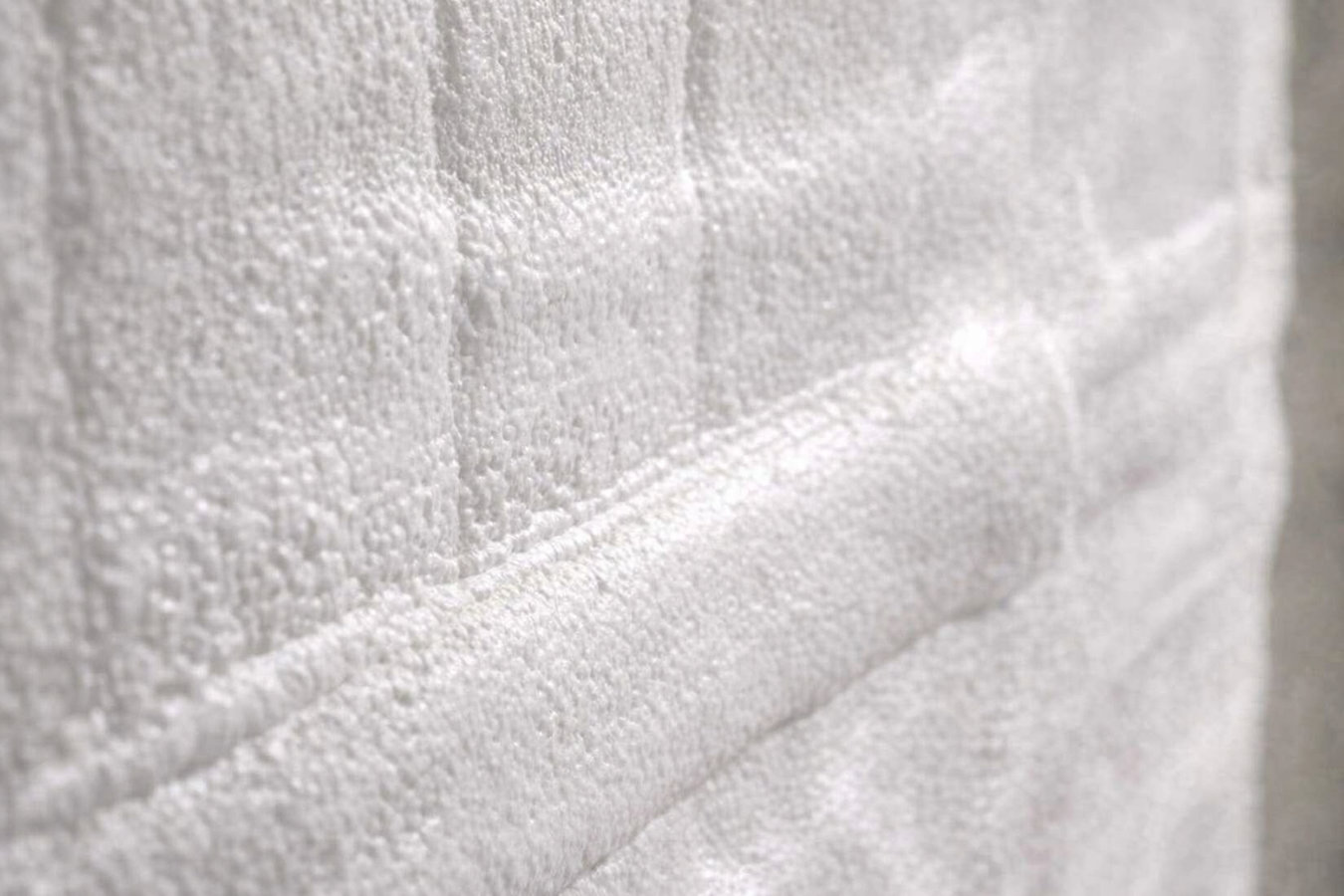
Drafty rooms, high energy bills, and moisture in your crawl space all point to the same problem - gaps your current insulation is not sealing. Closed-cell foam fills every one of them and adds a moisture barrier at the same time.
Closed-cell foam insulation in Stillwater seals air leaks and insulates at the same time - most attic or crawl space jobs are completed in a single day, with the home ready to use again the same evening. Unlike fiberglass batts that only slow heat transfer, closed-cell foam expands to fill every crack and gap it touches, creating a continuous barrier against outside air and moisture vapor. It also delivers roughly twice the insulating value per inch compared to standard batts, which matters when you are working with limited wall cavity depth or a tight crawl space.
Stillwater homes - particularly those built near Oklahoma State University before 1990 - were constructed under energy standards that allowed far less insulation than what is used today. Many of those homes have never had an insulation upgrade, and the original materials have had decades to settle, compress, or be disturbed by pest activity and HVAC work. Closed-cell foam applied to the attic, crawl space, or rim joists can transform how one of those homes performs - often more dramatically than the same job done on a newer build.
If your home has areas where moisture resistance matters less and you want a more affordable solution, our open-cell foam insulation service is worth reviewing alongside the closed-cell option so you can choose the right material for each part of your home.
If your electric bill climbs well above what neighbors in similar-sized homes pay during Stillwater's July and August heat, your home is likely losing conditioned air faster than it should. A well-insulated, well-sealed home lets your system cycle on and off in normal intervals. When it runs nonstop, heat is getting in - or cool air is getting out - through gaps your current insulation is not stopping.
Hold your hand near an electrical outlet on an exterior wall on a cold day. If you feel cool air moving, outside air is finding its way through the wall cavity. The same test works near baseboards, window frames, and attic hatches. In Stillwater's older housing stock, these gaps are common because original insulation was never designed to seal air - only to slow heat transfer.
Stillwater's warm, humid summers push moisture-laden air into crawl spaces and lower levels of homes with inadequate sealing. If you notice a musty or earthy smell coming from floor vents, or if you have seen condensation on pipes or floor joists under the house, moisture is getting in. Left alone, that moisture feeds mold and slowly damages the wood structure your home sits on.
When an attic is not properly insulated and sealed, it acts like an oven in July - temperatures up there can exceed 140 degrees on a hot Stillwater afternoon. That heat radiates down through the ceiling into the rooms below, making the top floor uncomfortable no matter how hard your air conditioner works. If you close off upstairs rooms in summer because they are unbearable, the attic is almost certainly the problem.
We install closed-cell foam in attics, crawl spaces, basement walls, rim joists, and exterior wall cavities. The most common jobs we see in Stillwater are crawl space encapsulation - where closed-cell foam is applied to the walls and rim joists of the crawl space to block humid outside air before it can condense on your floor joists - and attic applications, where the foam is sprayed to the underside of the roof deck to create a sealed attic that stays much cooler than an uninsulated one in summer. Both applications address the same core problem: conditioned air leaving and outdoor air entering through gaps that other insulation types cannot fully seal. For a full comparison of your options, our spray foam insulation page covers how open-cell and closed-cell foam compare across different parts of a home.
We also apply closed-cell foam to rim joists - the band of framing around the perimeter of your home just above the foundation. This is one of the highest-impact improvements we can make in an older Stillwater home, because that framing band is almost always full of small gaps and is rarely insulated in homes built before modern energy codes. A few inches of closed-cell foam in the rim joist area makes a difference you can feel on a cold night.
Creates a sealed attic that stays dramatically cooler in Stillwater's summer heat.
Blocks humid Oklahoma air before it condenses on floor joists and causes moisture damage.
Seals the framing band above your foundation - one of the highest-impact improvements in older homes.
Moisture-resistant closed-cell foam is ideal for below-grade walls in Stillwater's clay-soil environment.
Fills wall cavities completely with no gaps around wiring or plumbing - better than batts in tight spaces.
Spray foam applied to the underside of roof decking for homes with complex rooflines or limited attic access.
Stillwater sits in a climate zone that swings hard in both directions - summer highs regularly past 100 degrees and winter cold snaps that can drop below 10 degrees, sometimes in the same season. That 90-plus degree range means your insulation is working hard year-round. On top of that, Stillwater is squarely in Tornado Alley. Closed-cell foam bonds to structural surfaces and adds rigidity to walls and roof decking, which can help a home hold together better under the high straight-line winds that Stillwater sees every spring. Beyond storm resistance, the pressure changes that accompany severe weather can force outside air - and humidity - into a home through every gap in the envelope, making a tight seal more than just an energy consideration.
We serve homeowners across the Stillwater area and beyond, including customers in Broken Arrow and Sapulpa who face similar climate and soil conditions. The EPA provides consumer guidance on spray foam safety - including ventilation requirements and re-entry times - at epa.gov and the Spray Polyurethane Foam Alliance publishes contractor standards and consumer resources at sprayfoam.org.
When you reach out, we will ask a few basic questions about your home - the size, which areas you want insulated, and whether you have had previous insulation work done. This helps us arrive prepared. We respond within 1 business day.
We walk through your attic, crawl space, or any other areas you have flagged. We check the current state of your insulation, where air is getting in or out, and how much foam will be needed. This visit takes 30 to 60 minutes and comes at no cost.
After the assessment, you receive a written quote that breaks down the areas being treated, the foam thickness, and the total cost. A trustworthy contractor explains what is included - such as whether removing old insulation is part of the price. Take time to compare two or three quotes before deciding.
The crew sprays foam in controlled passes to build up the right thickness. The foam expands quickly and starts to harden within minutes. Most attic or crawl space jobs are done in a single day. Before the crew leaves, we walk you through the finished work so you can see the coverage with your own eyes.
Free estimate, no obligation. We respond within 1 business day and provide a clear written quote before any work begins.
(405) 338-4339Stillwater Insulation gives you a written scope of work and documentation on every job. That record protects you and gives you a clear place to turn if something goes wrong during or after the work.
We know the older housing stock near OSU, the Payne County clay soil conditions, and the severe weather patterns that make air sealing more than just a comfort upgrade in Tornado Alley. That local context shows up in how we plan every job.
Properly applied closed-cell foam should look even across every surface with no bare patches, no gaps around pipes, and foam trimmed flush with framing after curing. We follow Spray Polyurethane Foam Alliance installation standards on every project we take on.
When a City of Stillwater permit is required, we pull it and see the job through inspection. That documentation protects your home's resale value and confirms - through a third party - that the work was done to code, not just to our word.
Every job we take in Stillwater reflects the same standard: even coverage, proper ventilation time, permitted where required, and a walkthrough before we leave. If you have been putting off a foam project because you were not sure who to trust, we are happy to answer questions with no pressure and no sales pitch.
Open-cell foam is a softer, more affordable option suited for interior walls and attic cavities where moisture resistance is less critical.
Learn moreLearn how both open-cell and closed-cell spray foam compare and which application is right for each part of your home.
Learn moreSummer heat and spring humidity are the hardest seasons on an under-sealed home - schedule your free estimate now before your next energy bill arrives.