Loading...
Serving Stillwater, OK and surrounding areas. (405) 338-4339
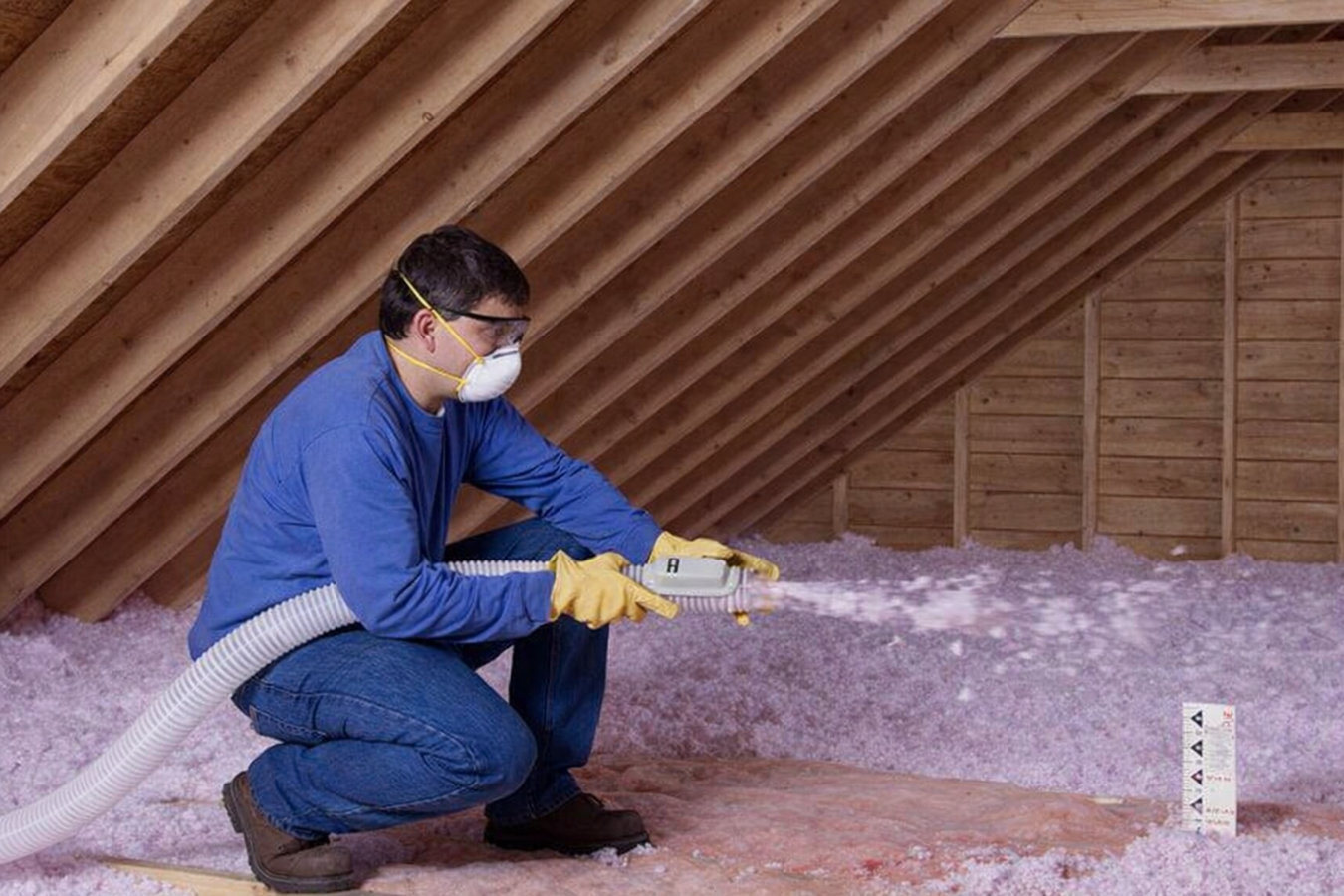
Oklahoma summers are relentless and winter cold fronts move fast. Blown-in insulation fills every corner of your attic to the right depth - so your HVAC system stops working overtime and your bills reflect it.
Blown-in insulation in Stillwater, OK fills attic spaces and wall cavities with loose fiberglass or cellulose material that reaches every corner rigid batts cannot - most attic jobs are completed in two to four hours with no need to vacate your home.
Stillwater sits in a climate zone where summer highs push past 100 degrees and winter lows can drop below 20 degrees. That two-direction stress means under-insulated homes pay a penalty in both seasons, not just one. Many homeowners here first notice the problem in July when their air conditioner seems to run without stopping - but the same gap in coverage is costing money every winter too.
Blown-in insulation works well alongside a complete home insulation plan that addresses walls, crawl spaces, and other areas where heat escapes. If you are not sure where your home is losing the most energy, we can help you figure that out during the free assessment.
If your electric bill climbs sharply from June through August and your air conditioner runs almost without stopping during Stillwater's hottest stretches, your attic is likely letting heat pour into your living space faster than your system can remove it. A well-insulated attic acts like a lid on a cooler. Without adequate coverage, you are fighting the heat all day long.
If bedrooms or living areas closest to the ceiling are consistently warmer than the rest of your home in summer, heat is radiating down from an under-insulated attic. This is especially common in Stillwater homes built in the 1960s and 1970s, where original insulation has often settled to just a few inches. You should not need to set your thermostat lower just to make one floor livable.
If you peek into your attic and can clearly see the wooden beams running across the floor of the space, your insulation is almost certainly too thin. Properly insulated attics in central Oklahoma should have insulation deep enough that the joists are buried and not visible. This is a quick visual check anyone can do without fully climbing into the attic.
When Stillwater gets hard freezes - the kind that drop temperatures into the teens overnight - a poorly sealed attic allows cold air to seep down through gaps around recessed lights, ceiling fans, and attic hatches. If you feel a chill near your ceiling or certain rooms never quite warm up in winter, both insulation and air sealing likely need attention.
We install both fiberglass and cellulose blown-in insulation, selected based on your attic conditions and any specific concerns like moisture or pest history. Cellulose fills tight spaces densely and is made from recycled material treated to resist fire and pests. Fiberglass blown-in is moisture-resistant and holds its shape well over time - a practical choice for Oklahoma's humid summers. Both materials are excellent options; we recommend one over the other only after seeing what your attic actually has.
Every blown-in job starts with an air-sealing assessment. In Stillwater's wind-driven climate, gaps around light fixtures, plumbing penetrations, and the attic hatch let outside air push straight through your ceiling. We identify and seal those gaps before any material goes in, because insulation without air sealing delivers only a portion of the energy savings you are paying for. For homes that need broader coverage, our attic insulation service addresses the full scope of attic performance.
Suits attics where moisture resistance matters - holds shape and does not settle as much over time.
Fills tight, irregular spaces more densely - a good fit for older attics with lots of obstructions.
Adds material over existing insulation to reach the recommended depth without full removal.
Removes damaged or inadequate old material and starts fresh with proper coverage.
Combines gap sealing and new insulation for homeowners who want the full energy efficiency benefit.
Fills existing wall cavities through small holes without requiring full drywall removal.
Stillwater has a significant inventory of homes built in the 1950s through 1980s, many of them near the Oklahoma State University campus and in established neighborhoods like College Hill and Westwood. Homes from that era were built with little or no attic insulation by today's standards, or with older materials that have settled and degraded over decades. If your home was built before 1990 and has never had insulation work done, there is a good chance you are well below the coverage level the Department of Energy recommends for central Oklahoma - between R-38 and R-60 in the attic.
Oklahoma's wind patterns make the problem worse. The southern plains are among the windiest regions in the country, and that wind creates pressure that pushes outside air into your home through every small gap it can find. Insulation alone slows heat transfer, but it does not stop air movement. In Stillwater, skipping the air-sealing step before blowing in insulation is a bigger mistake than it might be in a calmer climate. We serve homeowners across Stillwater and in surrounding communities, including Ponca City and Enid. The U.S. Department of Energy provides guidance on recommended insulation R-values by climate zone if you want to understand exactly what the target is for your home.
We ask a few basic questions about your home's square footage, age, and any previous insulation work. This helps us arrive prepared. We respond within 1 business day and can usually schedule an estimate visit within a few days.
We go into your attic and measure what is already there. We check insulation depth, look for air leaks around fixtures and penetrations, and assess whether old material can be topped off or needs removal first. The visit takes 30 to 45 minutes and ends with a written estimate that explains exactly what is proposed.
The crew runs a large flexible hose from their truck through your attic hatch and works across the attic floor, blowing material into every corner until the space reaches the target depth. For most Stillwater homes this takes two to four hours. You do not need to leave.
Once blowing is done, we do a final depth check to confirm even coverage across the whole attic, remove the hose, and clean up any material near the hatch. The attic is accessible immediately - no curing time or waiting period. We leave you with documentation of materials used for your tax credit records.
Free estimate. Written quote. No pressure to decide on the spot.
(405) 338-4339Stillwater Insulation sends crews with years of hands-on experience and follows safe installation practices on every job. You get a written scope of work and a formal place to turn if anything is not right.
Every attic assessment starts with a physical depth measurement, not a guess based on square footage alone. Knowing exactly what is already there determines how much material is needed and prevents both over-quoting and under-installing.
In Stillwater's wind-driven climate, insulation without air sealing delivers a fraction of the benefit. We include a gap and leak assessment as part of every attic project and discuss sealing options before any material goes in.
Many homes near the OSU campus and in established Stillwater neighborhoods date back to the 1950s through 1980s. We know what those attics typically look like, what materials were used, and what they commonly need. Local knowledge means fewer surprises on installation day.
Every one of these points comes back to the same thing: doing the job right the first time. Blown-in insulation that is properly assessed, air-sealed first, and installed to the correct depth delivers real results - lower bills, more consistent comfort, and a home that performs the way it should through every Oklahoma season.
The North American Insulation Manufacturers Association publishes installation standards that define what a proper blown-in job looks like. And the Building Performance Institute certifies contractors who approach insulation as part of a whole-home energy system - including air sealing.
Blown-in is one part of a complete home insulation plan - see how attic, wall, and crawl space coverage work together.
Learn moreExplore dedicated attic insulation options, including when blown-in material pairs with air sealing for the best result.
Learn moreMost attic jobs are done in a single day - call now and get ahead of the next Oklahoma heat wave before openings fill up.